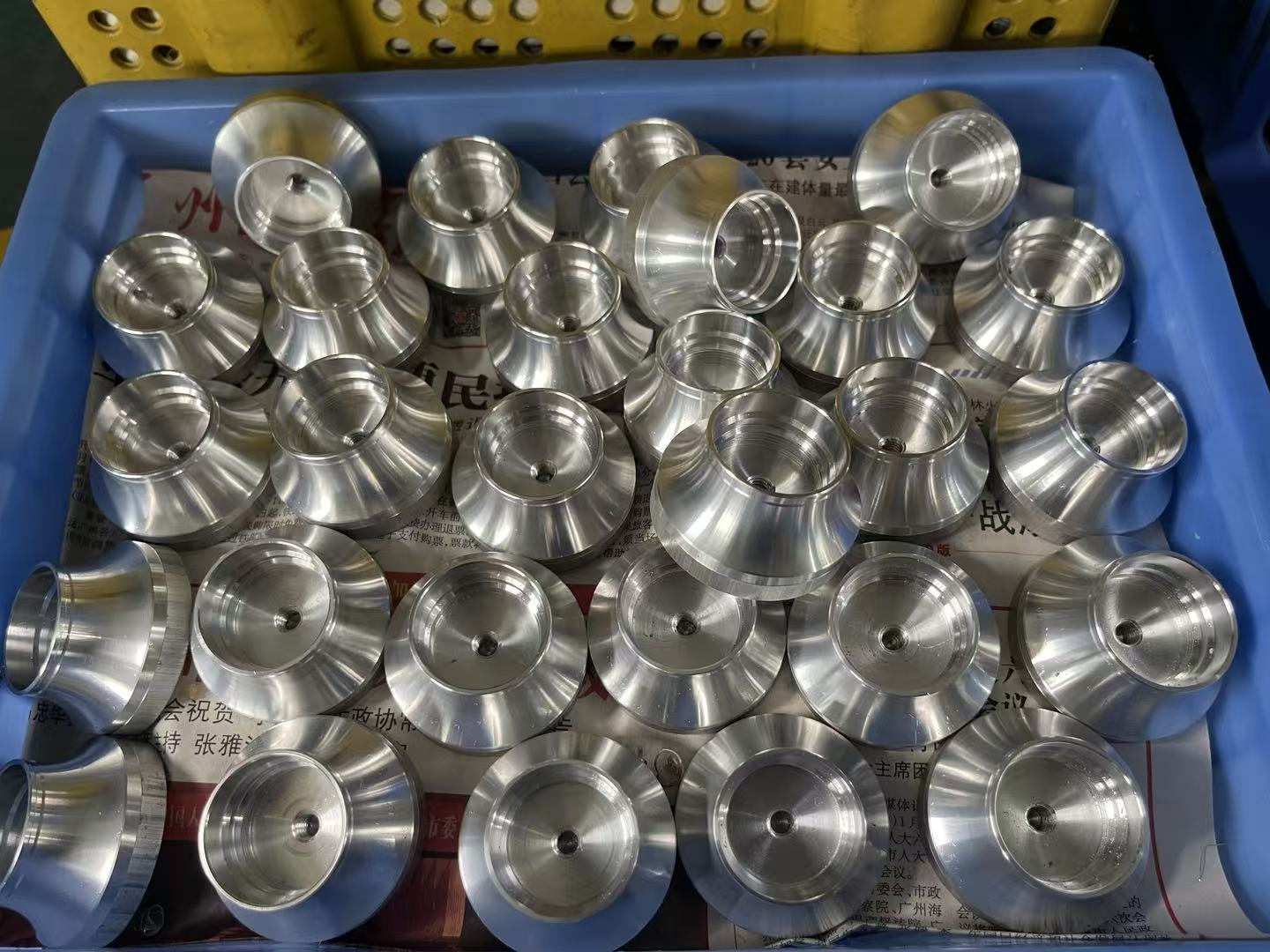

Why Does a Sheet Metal Prototype Cost More Than a Mass-Produced Part?
A prototype may look like a simple version of the final product, but producing a small number of parts often requires almost the same preparation work as a larger production run.
For example, a custom enclosure may require laser cutting, bending, welding, surface finishing, and assembly. Whether you need 2 pieces or 2,000 pieces, many of the initial production steps still need to be completed.
This is why the unit price of a prototype can sometimes be surprisingly high.
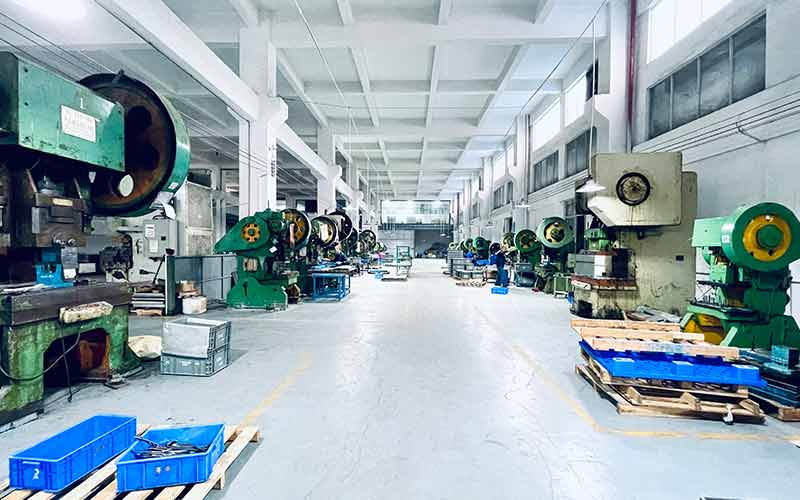
1. Programming and Engineering Work
Before production begins, engineers may need to review the drawings, check dimensions, unfold sheet metal parts, prepare CNC programs, and determine the appropriate manufacturing process.
These preparation costs are relatively fixed.
If you order 2 pieces, the engineering cost is distributed across only 2 parts. If you order 2,000 pieces, the same preparation work is distributed across a much larger quantity.
This makes the engineering cost per piece significantly lower in mass production.
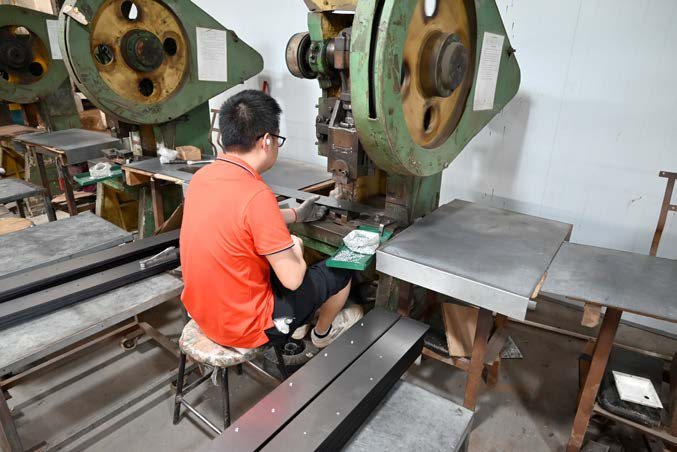
2. Material Utilization Can Be Lower
Small prototype orders may not achieve the same nesting efficiency as larger production runs.
For example, several parts may need to be cut from a standard sheet. If only a few parts are required, there may be considerable unused material around them.
In larger production runs, more parts can often be arranged efficiently on the sheet, improving material utilization and reducing waste.
This is especially important when using relatively expensive materials such as stainless steel or aluminum.
3. Setup Costs Are Spread Across Fewer Parts
Laser cutting, CNC bending, welding, and other processes may require machine setup before production.
The setup itself does not necessarily become much cheaper just because you only produce a few parts.
For example:
- Machine setup
- Tool selection
- Bending setup
- Welding fixture preparation
- Surface treatment preparation
- Quality inspection
These activities take time regardless of whether the order contains 5 pieces or 500 pieces.
With larger quantities, the setup cost is spread across more parts.
4. Prototypes May Require More Manual Work
Prototype production is often less standardized than mass production.
Engineers and operators may need to inspect the first pieces carefully, adjust bending parameters, verify dimensions, and make process changes based on the actual result.
Some prototypes may also require additional deburring, welding, grinding, or assembly work.
This additional attention can increase the cost of each prototype.
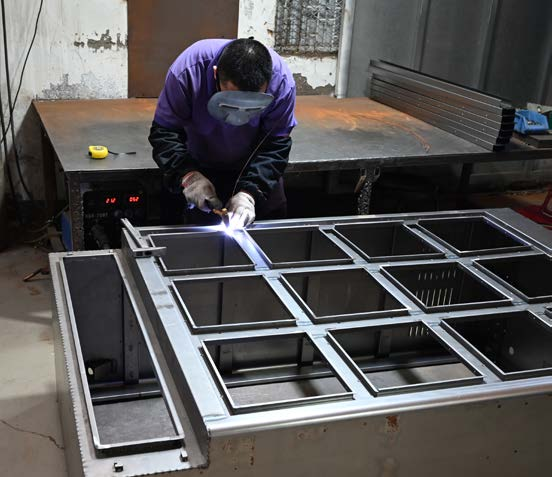
5. Tooling and Fixtures Can Affect the Price
Some sheet metal parts can be produced directly through laser cutting and CNC bending.
Others may require special tooling, jigs, or fixtures to achieve consistent results.
For a small prototype order, the tooling cost may represent a significant percentage of the total project cost.
Once production volume increases, however, the tooling cost can be distributed across many more parts.
6. Surface Finishing Also Has Minimum Charges
Powder coating, anodizing, plating, and other surface treatments may have minimum order charges.
For example, coating a small batch of 2–5 parts may not be proportionally cheaper than coating dozens of parts.
The finishing supplier still needs to prepare the process, handle the parts, and complete quality checks.
Therefore, surface treatment can have a noticeable impact on prototype pricing.
7. A Prototype Is Not Always the Cheapest Way to Test a Design
When developing a new product, it can be tempting to focus only on the unit price of the prototype.
However, the more important question is whether the prototype helps identify potential manufacturing problems before mass production.
A well-made prototype can help verify:
- Overall dimensions
- Hole positions
- Assembly clearance
- Bending angles
- Component fit
- Finition de surface
- Structural strength
Finding these problems at the prototype stage is usually much less expensive than discovering them after mass production has started.
How Can You Reduce Prototype Costs?
If you are preparing an RFQ for a sheet metal prototype, providing complete information can make the quotation process faster and more accurate.
Useful information includes:
- 2D drawings
- 3D CAD files
- Material and thickness
- Finition de surface
- Required quantity
- Tolerances
- Special assembly requirements
- Target application or environment
If the design is still being developed, you can also discuss potential DFM improvements with the manufacturer.
Sometimes a small change in material thickness, bend design, hole arrangement, or manufacturing process can reduce production costs without affecting the function of the part.
Looking for a Reliable Sheet Metal Prototyping Partner?
À Hofengfab, we support customers from prototype development to low-volume and mass production. Our team can review your drawings, evaluate the manufacturing process, and recommend practical solutions based on your material, quantity, tolerances, and application requirements.
Whether you need a few prototypes or a larger production run, we can provide custom sheet metal fabrication services including laser cutting, CNC bending, welding, surface finishing, and assembly.
Have a sheet metal project in development? Send us your drawings or 3D models, and let our team review your requirements.
Contact Hofengfab to discuss your next project.