
Points clés à retenir
- A J box electrical enclosure protects wiring connections from moisture, dust, and mechanical damage.
- Indoor and outdoor applications require different enclosure materials and protection levels.
- Plastic junction boxes are cost-effective and corrosion-resistant, while aluminum enclosures offer higher strength and durability.
- IP ratings such as IP55 and IP67 define the level of dust and water protection.
- Proper selection depends on environment, cable entry design, and installation requirements.
- Overspecifying protection levels may increase cost without improving real performance.
Boîtes de dérivation électriques : comment choisir la boîte de dérivation adaptée aux installations intérieures et extérieures
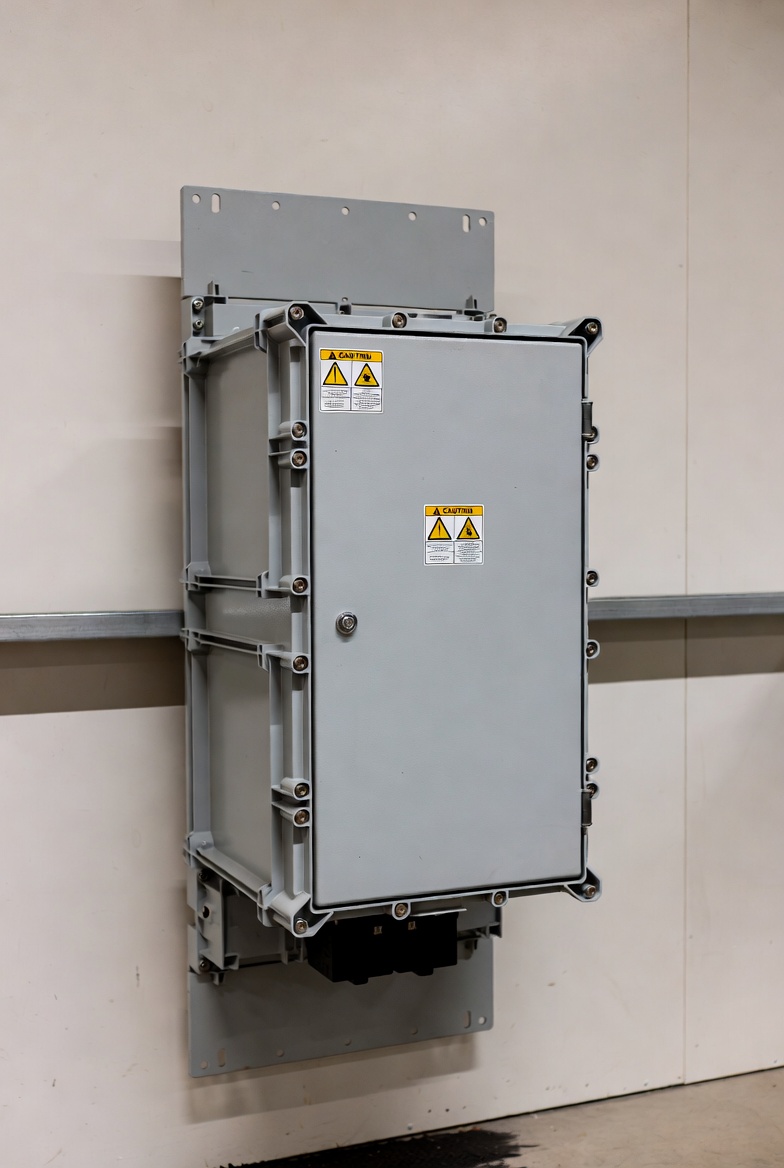
Electrical systems are only as reliable as the protection provided for their wiring connections. Whether you're installing lighting, industrial control systems, solar equipment, or outdoor power distribution, choosing the right J box electrical enclosure is essential for long-term safety and performance.
A junction box is more than just a container for wires. It protects electrical connections from moisture, dust, impact, and accidental contact while making future maintenance easier. However, not all junction boxes are designed for the same environment. Selecting the wrong material or protection rating can lead to premature failure and costly repairs.
This guide explains the different types of junction boxes, their materials, IP ratings, and key factors to consider before making a selection.
What Is a J Box Electrical Enclosure?
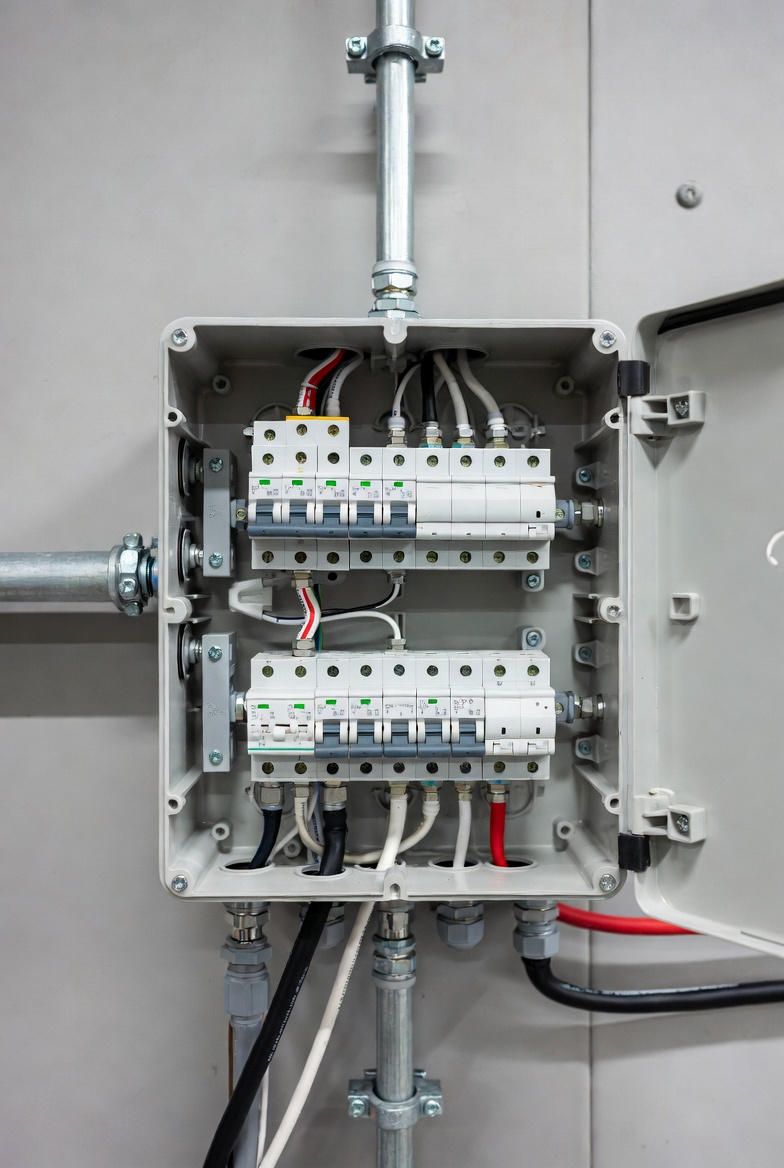
A J box, short for junction box, is an enclosure designed to protect and organize electrical wire connections. Instead of leaving splices exposed, electricians route wires into the box where connections remain secure and protected.
Junction boxes are commonly used in:
- Building electrical systems
- Automatisation industrielle
- Outdoor lighting
- Solar power installations
- HVAC equipment
- Power distribution systems
- CCTV and security systems
Besides protecting wiring, a junction box also simplifies inspection, troubleshooting, and future modifications.
Indoor vs Outdoor Boîtes de jonction
One of the first considerations is whether the enclosure will be installed indoors or outdoors.
Indoor applications usually require basic protection against dust and accidental contact. Plastic junction boxes are often sufficient for offices, factories, or residential buildings.
Outdoor installations face much harsher conditions. Rain, UV exposure, temperature fluctuations, and airborne contaminants all affect enclosure performance. In these situations, a waterproof outdoor electrical box with an appropriate IP rating is recommended.
For long-term outdoor use, engineers should also consider UV-resistant materials and corrosion-resistant hardware.

-
Choosing the Right Material
The enclosure material has a direct impact on durability, weight, and cost.
Plastic Junction Boxes
Plastic junction boxes are lightweight, corrosion-resistant, and electrically insulated. They are widely used in commercial buildings, communication systems, and general industrial applications.
Advantages include:
- Excellent corrosion resistance
- Easy installation
- Low maintenance
- Cost-effective solution
Aluminum Junction Boxes
Die-cast aluminum enclosures provide higher mechanical strength and improved heat dissipation. They are often selected for industrial environments where equipment may experience vibration, impact, or demanding weather conditions.
Typical applications include:
- Factory automation
- Équipement maritime
- Systèmes d'énergie renouvelable
- Heavy industrial control panels
Understanding IP55 and IP67 Protection Ratings
IP ratings indicate how well an enclosure protects against dust and water.
IP55
- Protected against limited dust ingress
- Resistant to water jets from multiple directions
- Suitable for most outdoor industrial installations
IP67
- Completely protected against dust
- Can withstand temporary immersion in water
- Recommended for harsher environments such as flooding risk areas
Choosing a higher IP rating than necessary may increase cost without providing additional practical benefits. Engineers should always match the enclosure rating to the installation environment.
Key Factors When Selecting a Junction Box
Before purchasing a junction box, consider the following engineering factors:
Installation Environment
Define whether the enclosure will be used indoors, outdoors, coastal areas, or industrial zones with corrosive conditions.
Cable Entry Design
Ensure sufficient cable entry points for current and future wiring. Proper cable glands are critical for maintaining waterproof performance.
Internal Space
Allow enough room for wiring, terminal blocks, and future maintenance operations.
Mounting Method
Wall-mounted, pole-mounted, and floor-mounted designs have different structural requirements.
Material Selection
Material should match both environmental exposure and mechanical stress conditions.
-
Applications typiques
Modern waterproof junction boxes are widely used in:
- Systèmes d'automatisation industrielle
- Solar photovoltaic installations
- Infrastructure de recharge pour véhicules électriques
- Outdoor communication networks
- Water treatment facilities
- Traffic control systems
- Renewable energy projects
- Smart city infrastructure
Proper enclosure selection significantly improves system reliability and reduces long-term maintenance costs.
Conclusion
Choosing the right J box electrical enclosure is not just a sizing decision—it is an engineering decision. Material selection, IP rating, installation environment, and cable management all directly affect system safety and lifespan.
At Hofeng, we manufacture custom electrical enclosures including waterproof junction boxes, control cabinets, and aluminum or sheet metal housings. Our engineering team supports OEM and ODM projects from prototype to mass production, ensuring each enclosure meets real-world application requirements.
-
Foire aux questions
1. What is a J box used for?
A junction box protects electrical connections from environmental exposure, mechanical damage, and accidental contact.
2. Can plastic junction boxes be used outdoors?
Yes, if they are UV-resistant and have a suitable IP rating such as IP65 or IP67.
3. What is the difference between IP55 and IP67?
IP55 resists water jets and limited dust, while IP67 provides full dust protection and temporary immersion resistance.
4. When should I choose an aluminum junction box?
When higher mechanical strength, heat resistance, or industrial durability is required.
5. How do I choose the correct size?
Ensure enough internal space for wiring, terminals, and future maintenance access without overcrowding.
- Author: Sam CooperContact us:
E-mail : vivian@hofengfab.com
WhatsApp : +86 185-6568-5940
Real project insights from Shenzhen Hofengfab, June 2026.