

When sourcing custom ABS plastic enclosures, buyers usually focus on dimensions, material, IP rating, and unit price. Surface texture often comes later.
However, a specific Mold-Tech texture can affect tooling cost, mold design, minimum order quantity (MOQ), and production feasibility more than many buyers expect.
For example, a customer may request an ABS enclosure with an MT-11040 matte finish, assuming the texture can simply be added to an existing mold. In practice, this is not always possible.
As a plastic enclosure manufacturer, Hofengfab helps customers evaluate enclosure design, surface finishes, and tooling requirements before production.
In this article, we share practical engineering considerations based on our experience with textured ABS enclosure projects.
1. What Is Mold-Tech Texture on an ABS Enclosure?
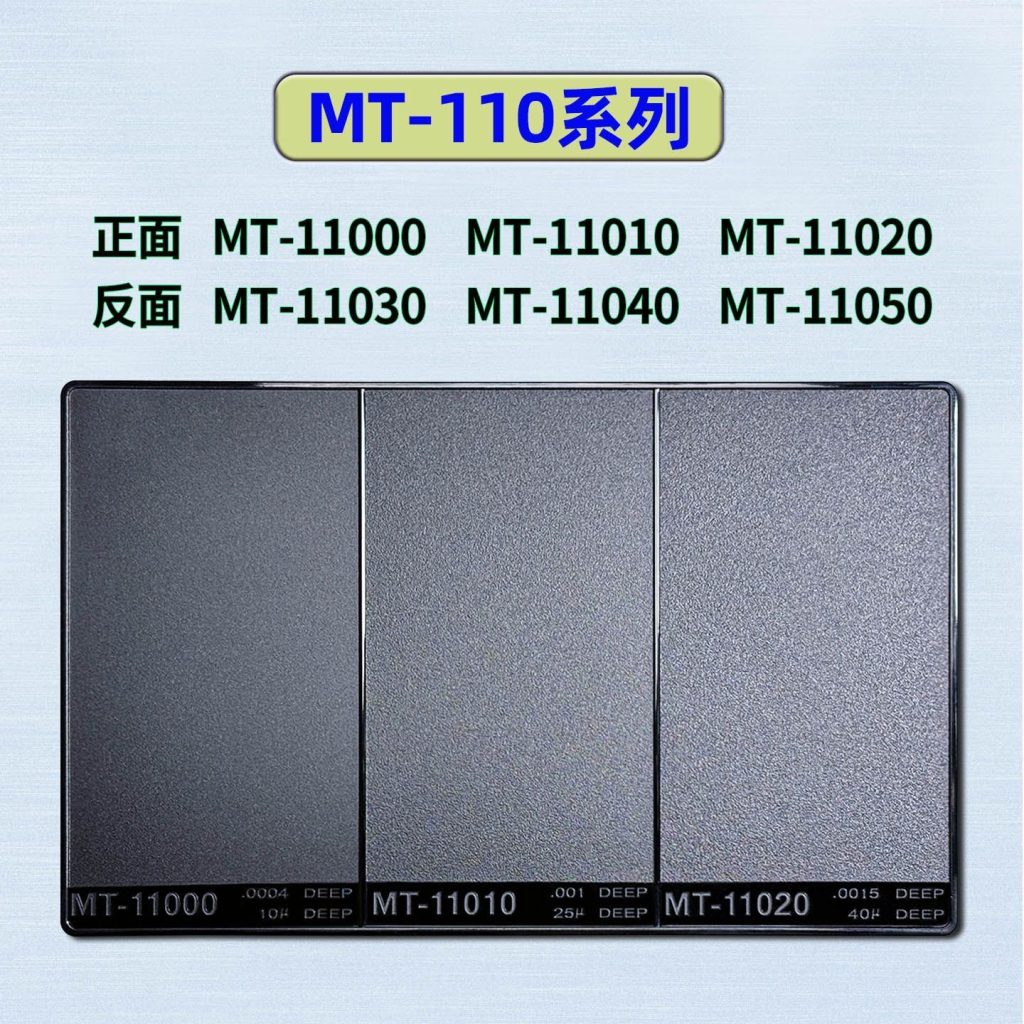
Mold-Tech is a standardized mold texturing system used to create different surface patterns on injection-molded plastic components.
Unlike painting or coating, the texture is applied to the mold surface and transferred directly to the ABS enclosure during injection molding.
For industrial and electronic enclosures, textured finishes offer several advantages:
- A consistent matte or textured appearance
- Reduced visibility of minor scratches and fingerprints
- Improved grip on frequently handled surfaces
- A more refined appearance without additional painting
- Consistent surface patterns across production batches when the process is properly controlled
Common Mold-Tech specifications include MT-11010, MT-11020, MT-11030, and MT-11040.
However, choosing a texture number alone does not guarantee the exact appearance. The final result also depends on the ABS material, mold condition, enclosure geometry, and injection molding parameters.
2. Can MT-11040 Be Applied to an Existing ABS Enclosure Mold?
This is one of the most common questions buyers ask when they want to customize an existing plastic enclosure.
The answer depends on the mold.
If an existing mold already has a surface texture, changing it to MT-11040 may require polishing, surface preparation, or additional mold modifications.
In some cases, modifying the existing mold may not be practical.
Before confirming feasibility, we normally review the following factors.
Existing Mold Surface
The original texture and mold surface condition determine whether the required pattern can be applied.
Draft Angle
Deeper textures generally require additional draft to prevent drag marks and surface damage during ejection.
Enclosure Geometry
Deep sidewalls, ribs, narrow areas, and complex corners can make uniform texturing more difficult.
Mold Construction
Mold steel, available material for reworking, and existing surface treatments can affect modification feasibility.
Dimensional Requirements
Texture changes must not interfere with critical mounting features, sealing surfaces, or enclosure assembly.
For projects involving custom plastic enclosure design, we recommend reviewing texture requirements during the early tooling stage rather than after the mold has been completed.
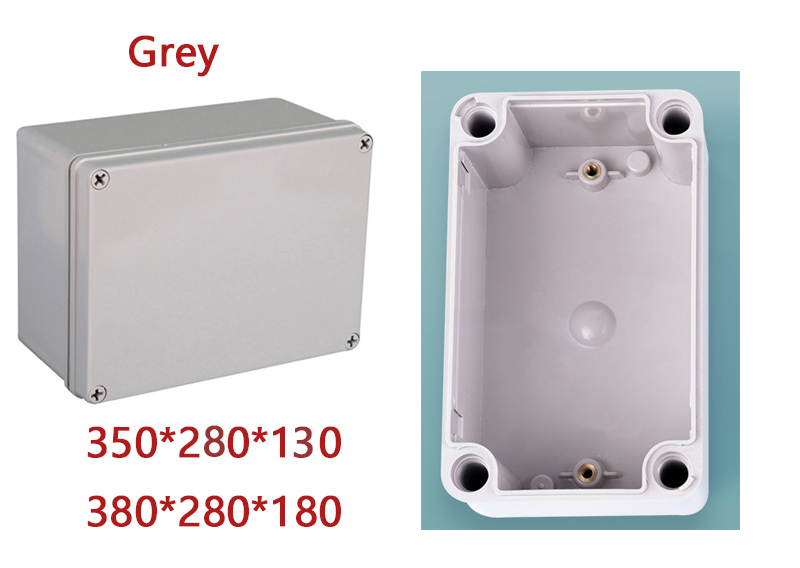
3. A Real Project Example: MT-11040 Texture for 100 ABS Enclosures
We recently reviewed an ABS enclosure project where the customer requested a specific MT-11040 matte texture.
The required quantity was only 100 pieces.
Although we had an existing enclosure with a similar design, its mold could not produce the requested MT-11040 texture.
To achieve the exact finish for that enclosure, new tooling would be required.
For this particular project, the minimum production quantity for the new-tooling option was 2,000 pieces.
This created a practical sourcing challenge.
The customer needed only 100 enclosures, but the requested texture required a tooling investment that was difficult to justify for such a small order.
Rather than simply quoting a new mold, we suggested reviewing the texture already available from our existing tooling.
What We Learned From This Project
A specific texture requirement can sometimes have a greater impact on project cost than the enclosure material itself.
For small-volume projects, we recommend checking standard ABS plastic enclosures before investing in new tooling.
If the existing enclosure meets the functional requirements and the customer can accept the available finish, it may be possible to avoid unnecessary tooling costs.
Our goal is not simply to manufacture the requested texture, but to help customers find a practical balance between appearance, cost, and production volume.
4. Why Draft Angle Matters for Mold-Tech Textures
Draft angle is one of the most important factors when designing textured ABS enclosures.
During injection molding, the plastic part cools and must be released from the mold.
A textured surface creates additional resistance during ejection, especially on vertical walls.
If the draft angle is insufficient, the enclosure may develop:
- Visible drag marks
- Scratches on textured surfaces
- Uneven texture appearance
- Difficult mold release
- Increased cosmetic rejection rates
A light matte texture may require less draft than a deeper surface pattern.
However, there is no single draft angle suitable for every Mold-Tech specification.
The correct angle depends on texture depth, ABS material, part geometry, and mold design.
Our Engineering Approach
When reviewing a textured enclosure, we pay particular attention to vertical walls, deep cavities, and areas close to mounting features.
We prefer to confirm the texture and draft requirements before finalizing the mold design.
Changing the draft angle after tooling has been completed can increase both cost and lead time.
5. Matte Finish vs. Mold-Tech Texture: Are They the Same?
Not exactly.
Customers often describe their surface requirements using terms such as:
- Matte black finish
- Fine-grain texture
- Rough plastic surface
- Leather-grain texture
- Anti-gloss finish
- MT-11040 texture
These descriptions do not necessarily refer to the same surface finish.
Two ABS enclosures may both look matte but have different roughness, patterns, and tactile characteristics.
Even when the same Mold-Tech specification is used, the final appearance can vary depending on material color, molding conditions, and surface geometry.
Why We Recommend Physical Samples
Photographs are useful for initial discussions, but lighting and camera settings can change how a texture appears.
For appearance-sensitive projects, we recommend providing a physical enclosure sample or an approved texture reference.
This is particularly important when the new enclosure must match an existing product.
A physical sample helps both the customer and the manufacturer understand the expected finish before committing to tooling.
6. Does Mold-Tech Texture Affect IP65 or IP66 Waterproof Performance?
Surface texture does not automatically reduce an enclosure's waterproof rating.
However, the location of the texture matters.
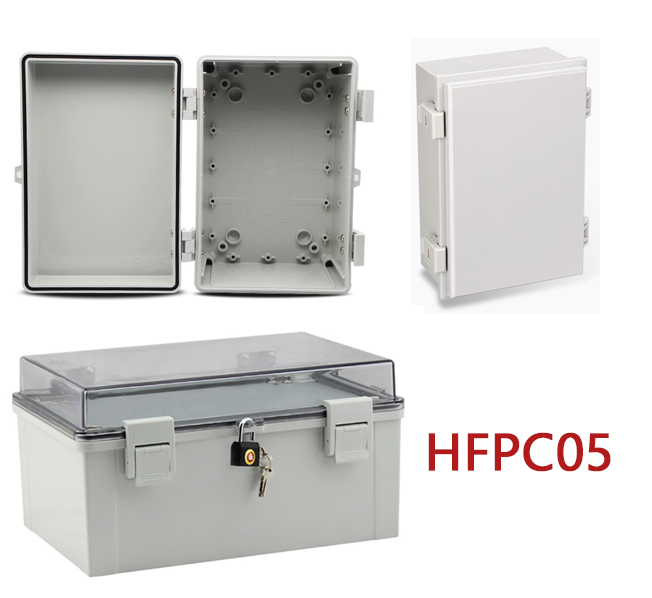
For IP66 waterproof plastic enclosures, we generally recommend keeping critical sealing areas smooth and dimensionally controlled.
These areas include:
- Gasket contact surfaces
- Lid-to-base sealing interfaces
- O-ring grooves
- Precision mating surfaces
- Critical screw seating areas
Applying a decorative texture to these areas without proper engineering review may affect gasket compression or sealing consistency.
For waterproof ABS enclosures, the sealing design, gasket material, assembly conditions, and completed enclosure testing remain essential.
A Mold-Tech texture alone does not determine the IP rating.
7. How Does Mold-Tech Texture Affect Tooling Cost and MOQ?
The cost of a textured ABS enclosure depends largely on the available tooling.
There are three common situations.
Option 1: Existing Mold With an Acceptable Texture
This is usually the most economical solution.
If the existing enclosure meets the customer's dimensional and functional requirements, using the available texture can help avoid new tooling investment.
Option 2: Modify an Existing Mold
If the requested texture differs from the existing finish, mold modification may be possible.
However, the mold surface, draft angle, available steel, and geometry must be reviewed before confirming the modification.
Additional tooling costs and lead time may apply.
Option 3: Develop a New Injection Mold
When the required texture cannot be achieved using existing tooling, a new mold may be necessary.
This option offers greater control over enclosure dimensions, surface appearance, and custom features.
However, the tooling investment should be evaluated against the expected order volume.
For injection molded plastic enclosures, there is no universal MOQ that applies to every project.
The minimum order quantity depends on the enclosure design, tooling arrangement, material, production setup, and expected demand.
For buyers purchasing only 50 or 100 pieces, an existing standard enclosure may be a more practical starting point.
8. What Information Should Buyers Provide for a Mold-Tech ABS Enclosure Quotation?
To evaluate your project efficiently, we recommend providing the following information:
Enclosure Dimensions
Length, width, and depth, including any critical internal dimensions.
Material Requirements
ABS grade, color, and any flame-retardant or UV-resistance requirements.
Texture Specification
Mold-Tech code, reference photographs, or preferably a physical sample.
Order Quantity
Prototype quantity, initial order quantity, and estimated annual demand.
Technical Drawings
2D drawings and 3D STEP files, if available.
Customization Requirements
Mounting holes, cutouts, logos, locks, inserts, or other features.
Environmental Requirements
Required IP rating and intended indoor or outdoor application.
If you are considering an existing enclosure, please also let us know whether slightly different dimensions or surface textures would be acceptable.
This gives us more flexibility to recommend an economical manufacturing solution.
9. Our Recommendation: Confirm the Texture Before Investing in Tooling
Based on our experience with custom ABS enclosure projects, we recommend the following approach:
- Confirm the enclosure dimensions and functional requirements.
- Review existing molds and available texture options.
- Compare the requested finish with physical samples.
- Evaluate draft angles and mold modification feasibility.
- Confirm tooling costs and production MOQ.
- Approve the final texture before mass production.
Before developing a new mold, buyers can also review existing products such as our ABS control enclosure to compare available dimensions and construction.
The key is to treat surface texture as part of the manufacturing design, not simply as a cosmetic detail added at the end.
10. Frequently Asked Questions
Can you manufacture ABS enclosures with MT-11040 texture?
MT-11040 can be considered for custom ABS enclosures, depending on the mold design, draft angle, and tooling feasibility. Existing molds may require modification or replacement.
Can I order 100 ABS enclosures with a custom Mold-Tech texture?
It depends on the available tooling. Small quantities may be possible with an existing suitable mold, while new tooling may require a higher minimum order quantity.
Is MT-11040 a matte finish?
MT-11040 is a specific Mold-Tech texture designation. Its appearance should be confirmed using an approved texture reference or physical sample rather than relying only on the description "matte."
Can Mold-Tech texture be used on waterproof ABS enclosures?
Yes, provided the texture is compatible with the enclosure design and critical sealing surfaces are properly controlled. The completed enclosure must still meet its required IP testing conditions.
Can an existing ABS enclosure mold be retextured?
Sometimes. The feasibility depends on the original mold texture, surface condition, available steel, draft angles, and part geometry.
Is a physical texture sample necessary?
A physical sample is strongly recommended when appearance matching is important, especially for products that must match an existing enclosure or customer-approved finish.
11. Custom Mold-Tech Textured ABS Enclosures from Hofengfab
Hofengfab supplies standard and custom ABS plastic enclosures for industrial electronics, control equipment, communication devices, and other applications.
We help customers evaluate enclosure dimensions, existing tooling, surface textures, custom cutouts, logos, and injection molding requirements.
Whether you need a standard matte ABS enclosure or a custom Mold-Tech finish, we aim to identify a practical solution based on your design, order quantity, and budget.
Need a Custom Mold-Tech Textured ABS Enclosure?
Send us your enclosure dimensions, required Mold-Tech texture, technical drawings, and estimated order quantity.
Our team will review the available mold options and help you determine whether existing tooling or a new mold is the better solution.
Contact Hofengfab: www.hofengfab.com