




우레탄 주조 서비스
Our ISO 9001 Certified deliver grade quality with every batch
We are the polyurethane material experts in your product development
• Parts as fast as 10 days
• 100% inspection for every part
• Making for rapid prototyping and production of parts
모든 업로드는 안전하고 기밀이 보장됩니다.
Urethane Casting Process
We can provide you with information about urethane casting services. Urethane casting is a manufacturing process that involves creating parts and components using polyurethane materials. This process is commonly used for producing prototypes, low-volume production parts, and replacement components.
Available Finishes for Urethane Casted Parts:
Urethane casting Matte/Frosted
Semi-Gloss
Full Glossy
Custom Texture
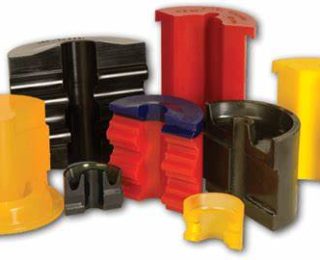
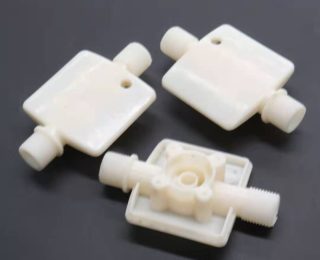
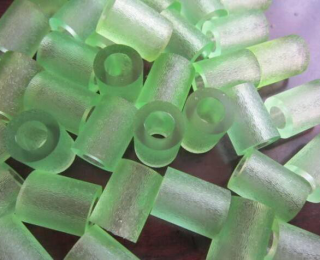
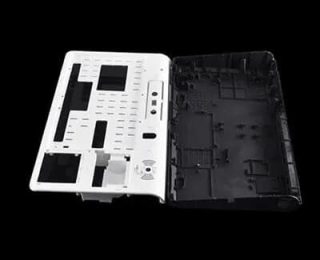
우레탄 주조
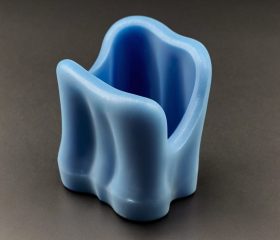
Cast Silicone//Silicone is durable, stretchy, tear-resistant, inert, easy to clean, and has a high-temperature resistance. Silicone casting is ideal for medical devices, surgical models, props, soft-touch housings, and more.
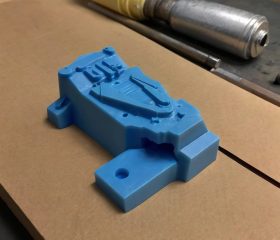
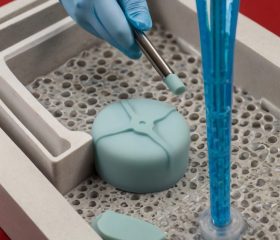
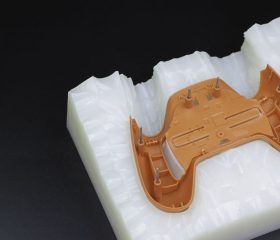
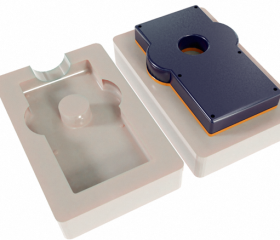
Urethane casting services typically involve the following steps:
Master Pattern Creation: A master pattern of the desired part is created using methods such as 3D printing, CNC machining, or manual modeling.
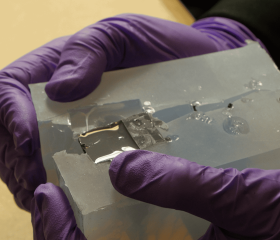
Mold Making: A silicone mold is created from the master pattern to replicate the part's shape and details.The finished dimensions of urethane cast parts depend on the accuracy of the master model, part geometry, and casting material. In general, a shrinkage rate of + 0.15% is typical.
Material Mixing and Casting: Polyurethane material is mixed and poured into the mold. The material cures and hardens to form the final part.
Part Finishing: After the casting process, the parts may undergo finishing processes such as trimming, sanding, painting, or additional surface treatments.
Urethane casting services are often chosen for their cost-effectiveness, quick turnaround times, and ability to produce high-quality parts with complex geometries.If you are looking for a company that provides urethane casting services,From design to prototype and production, our team of engineers is ready to help bring your idea to life.
Applications of Urethane Casting
Urethane casting is a versatile manufacturing process that finds applications in various industries due to its ability to produce high-quality parts with complex geometries. Some common applications of urethane casting include
Prototyping: Urethane casting is widely used for rapid prototyping to quickly produce functional prototypes for testing and validation purposes before full-scale production.
Low-Volume Production: It is ideal for low-volume production runs where traditional injection molding may not be cost-effective. Urethane casting can efficiently produce small to medium quantities of parts.
Replacement Parts: Urethane casting is often used to create replacement parts for machinery, equipment, or products that are no longer in production or have long lead times for conventional manufacturing methods.
Aerospace and Defense: Urethane casting is utilized in the aerospace and defense industries to manufacture lightweight components, tooling, and fixtures for aircraft, satellites, and military applications.
Automotive: Urethane casting is employed in the automotive sector to produce prototype parts, custom components, interior trim pieces, and functional prototypes for testing.
Medical Devices: The medical industry uses urethane casting to develop prototypes and low-volume production parts for medical devices, surgical instruments, prosthetics, and ergonomic product designs.
Consumer Electronics: Urethane casting is popular in the consumer electronics industry for creating custom enclosures, housings, buttons, and other components for electronic devices.
Industrial Equipment: Urethane casting is utilized in the manufacturing of industrial equipment, machinery components, seals, gaskets, and other specialized parts.
Architectural Models: Urethane casting is used to create architectural models, decorative elements, signage, and scale replicas for design presentations and visualizations.
urethane casting offers flexibility, precision, and cost-effectiveness for producing high-quality parts in a timely manner, making it a preferred choice for a wide range of applications across industries.
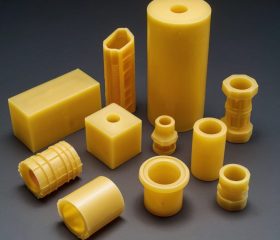
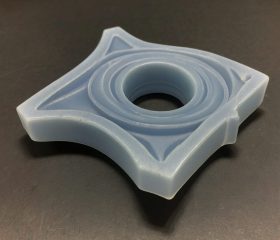
당사의 기타 제조 역량
당사는 3D 프린팅, CNC 가공, 진공 주조, 사출 성형 및 판금 가공을 전문으로 하며, 다양한 소재와 표면 마감 처리를 제공합니다.
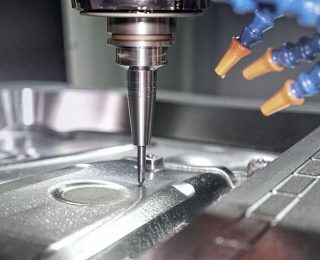
CNC 가공
당사는 밀-턴 복합 가공 센터, 표준 3축, 연속 5축, 3+2축 밀링 머신을 보유하고 있으며, 50종 이상의 다양한 금속 및 플라스틱 소재를 사용하여 드릴링 및 후가공을 수행하며, 15종 이상의 표면 마감 처리가 가능합니다. 공차 범위는 ±.0000394"(0.001mm)까지 가능합니다.
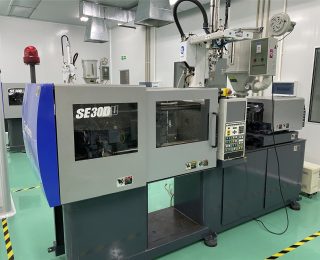
사출 성형 서비스
HOFeng은 모든 열가소성 플라스틱을 성형할 수 있습니다. 고객 맞춤형 제품 및 부품을 위한 비용 효율적인 사출 성형 서비스를 제공합니다. 시제품 금형은 빠르면 10일 이내, 양산 금형은 빠르면 2주 이내에 제작 가능하며, ISO 9001:2015 인증을 획득했습니다 | 품질에 결정적인 영향을 미치는 검사 실시
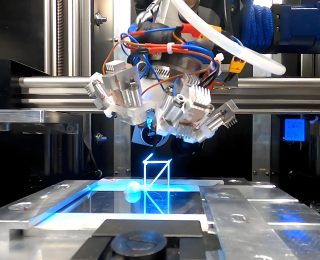
3D 프린팅 서비스
HOFeng의 3D 프린팅 서비스는 30가지 이상의 소재를 활용해 모든 용도에 대응하는 적층 제조 생산 센터입니다. 3D 프린팅 서비스 – 당사는 산업용 등급으로 고객의 모든 요구 사항을 충족시켜 드리는 3D 프린팅 전문가입니다.
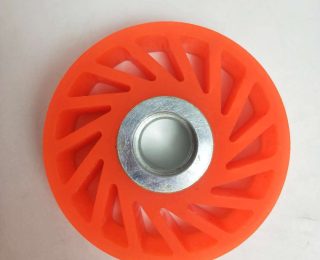
우레탄 주조 서비스
부품의 신속한 시제품 제작 및 양산을 지원하며, 최단 10일 이내에 부품을 납품하고 모든 부품에 대해 100% 검사를 실시합니다. ISO 9001 인증을 획득한 당사는 모든 생산 로트에서 최고 수준의 품질을 보장합니다. 당사는 귀사의 제품 개발을 위한 폴리우레탄 소재 전문가입니다.
Urethane Casting FAQs
If you have urethane casting ready to commence, we are here to assist you from start to finish. With our extensive range of optional post-processing services and rigorous quality assurance measures implemented by our dedicated QC department, you can rest assured that you will receive products that meet your expectations.
3D CAD 파일을 보내주시기만 하면, 저희 팀이 무료 견적을 제공해 드립니다. 경험이 풍부한 모델 엔지니어들이 고객님의 설계에 대해 철저한 제조 적합성(DFM) 분석을 수행하여, 최종 제품이 고객님의 품질 기준을 충족할 뿐만 아니라 예산 범위 내에서도 제작될 수 있도록 보장해 드립니다.
부품은 얼마나 빨리 받을 수 있나요?
완전한 2D 및 3D CAD 모델을 제공해 주시면, 800개 미만의 고품질 부품은 빠르면 1주일 이내에 제작할 수 있습니다. 다른 특수 기능이 필요한 더 복잡한 부품의 경우 제작 기간이 더 오래 걸립니다.
CNC 가공용 부품을 설계할 때 어떤 점을 고려해야 할까요?
설계자는 CNC 가공용 부품을 설계할 때 공구 접근성, 재료 선정, 공차, 표면 마감 등의 요소를 고려해야 합니다.
CNC 가공 공정은 보통 얼마나 걸리나요?
CNC 가공 공정의 소요 시간은 부품의 복잡성, 사용되는 재료, 요구되는 공차 등의 요인에 따라 달라집니다. 소요 시간은 몇 분에서 몇 시간까지 다양할 수 있습니다.
how to cast urethane rubber?
Mix Urethane Rubber: Select a two-part urethane rubber material that meets your project requirements in terms of hardness, flexibility, color, and other properties. Follow the manufacturer's instructions to mix the two components in the correct ratio.
Degassing (Optional): To remove air bubbles from the urethane rubber mixture, you can use a vacuum chamber to degas the material. This step helps ensure a smooth, bubble-free casting.
Pouring: Carefully pour the mixed urethane rubber material into the mold. Be sure to pour slowly and evenly to prevent trapping air bubbles in the mixture.
Curing: Allow the urethane rubber to cure and harden according to the manufacturer's instructions. The curing time may vary depending on the specific type of urethane rubber used and environmental conditions such as temperature and humidity.
Demolding: Once the urethane rubber has fully cured, carefully remove the part from the mold. Depending on the complexity of the mold and part design, you may need to use release agents or techniques to facilitate demolding.
Post-processing (Optional): After demolding, you can trim any excess material, clean up the part, and perform any additional post-processing steps such as painting, finishing, or assembly as needed.
Testing and Quality Control: Inspect the cast urethane rubber part for defects, surface imperfections, dimensions, and overall quality. Perform any necessary testing to ensure that the part meets the required specifications and performance criteria.
By following these steps and taking proper precautions, you can successfully cast urethane rubber parts for various applications such as prototypes, industrial components, custom molds, seals, gaskets, and more.
CNC 가공 공정에서 어떤 인증이나 업계 표준을 준수하고 계십니까?
HOFeng은 ISO 9001 인증을 획득했으며, ISO 13485 규격을 준수하고 있습니다.
귀사의 CNC 공작기계는 어느 정도의 공차를 달성할 수 있습니까?
당사의 기계는 ±0.0002인치라는 매우 엄격한 공차를 충족할 수 있습니다.
how much does injection molding cost?
The calculation of injection molding costs involves multiple factors, including product design, raw material costs, labor costs, equipment depreciation, etc.
Product design: Complexity, size, shape and other factors will affect the cost of injection molding. Some complex products may require special molds and processing techniques, and the cost will increase accordingly.
Raw material costs: Different types of plastic raw materials have different prices, and are also affected by factors such as market supply and demand. Raw materials account for a considerable proportion of injection molding costs.
Mold cost: Injection molding requires the use of specially customized molds. The design, manufacturing and maintenance costs of the mold will affect the cost.
Labor cost: Operating the injection molding machine and subsequent processing requires manual participation. Labor cost is a part of the injection molding cost that cannot be ignored.
Energy consumption: Injection molding machines consume a large amount of energy such as electricity and compressed air. Energy costs are also an important part of injection molding costs.
why urethane casting
Urethane casting, also known as polyurethane casting, is a popular manufacturing process used to create high-quality, precise, and durable plastic parts and prototypes. There are several reasons why urethane casting is chosen over other manufacturing methods, such as injection molding or 3D printing:
Cost-effective: Urethane casting is a cost-effective alternative to injection molding for low-volume production runs. It does not require expensive tooling, molds, or setup costs, making it ideal for producing small quantities of parts without the high upfront investment.
Quick turnaround: Urethane casting allows for rapid prototyping and production of parts with shorter lead times compared to traditional manufacturing methods. This makes it a preferred choice for projects that require fast turnaround times.
Precision and accuracy: Urethane casting produces parts with high precision and accuracy, making it suitable for applications that require tight tolerances and intricate details. Parts can be reproduced with consistent quality and dimensional accuracy.
Wide range of materials: Urethane casting offers a variety of material options with different properties, such as flexibility, hardness, and impact resistance. This versatility allows for customization and selection of the most appropriate material for specific project requirements.
Surface finishes: Urethane casting can achieve a wide range of surface finishes, including matte, frosted, glossy, or textured finishes. This allows for customization of the appearance and feel of the parts, enhancing their aesthetic appeal.
Complex geometries: Urethane casting can produce parts with complex geometries, undercuts, thin walls, and intricate features that may be challenging to manufacture using other methods. This versatility makes it suitable for a wide range of applications across various industries.
Low-volume production: Urethane casting is well-suited for low-volume production runs, prototype testing, and bridge production between design iterations. It offers flexibility in scaling production quantities based on demand without the need for large minimum order quantities.
Overall, urethane casting is a versatile, cost-effective, and efficient manufacturing process that offers numerous advantages for creating plastic parts and prototypes with high quality, precision, and customization options. It is widely used in industries such as automotive, aerospace, medical devices, consumer electronics, and more for producing functional prototypes, end-use parts, and components.