
Language

layanan pengecoran uretan

Our ISO 9001 Certified deliver grade quality with every batch
We are the polyurethane material experts in your product development

• Parts as fast as 10 days

• 100% inspection for every part

• Making for rapid prototyping and production of parts

Semua unggahan aman dan rahasia.

Urethane Casting Process

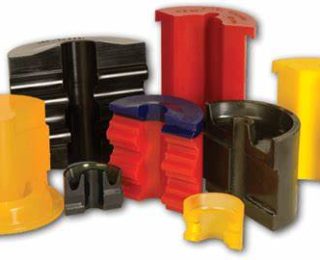
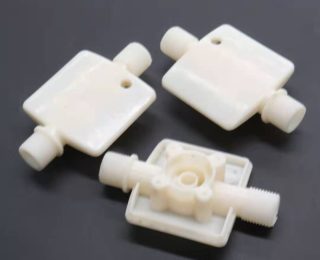
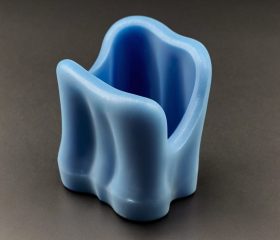
We can provide you with information about urethane casting services. Urethane casting is a manufacturing process that involves creating parts and components using polyurethane materials. This process is commonly used for producing prototypes, low-volume production parts, and replacement components.

Available Finishes for Urethane Casted Parts:
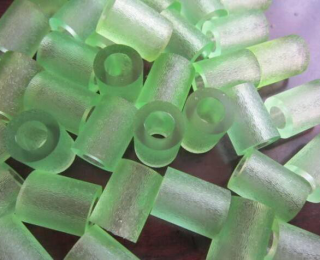
Urethane casting Matte/Frosted
Semi-Gloss
Full Glossy
Custom Texture

Urethane Casting
Urethane-Casting
Urethane-Casting-1
urethane-cast-parts

Pengecoran Uretan

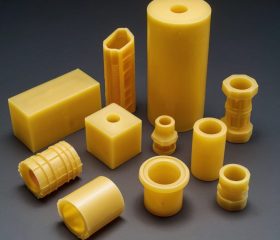
urethane casting resin//A wide variety of liquid plastic casting resins used for hundreds of different applications.These polyurethane casting plastics are used for making detailed models & prototypes, props and industrial parts.

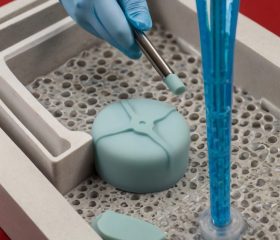
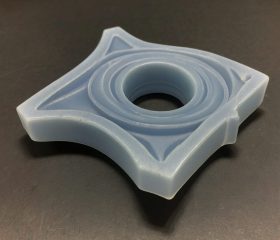
Cast Silicone//Silicone is durable, stretchy, tear-resistant, inert, easy to clean, and has a high-temperature resistance. Silicone casting is ideal for medical devices, surgical models, props, soft-touch housings, and more.

urethane-casting service
Urethane Casting_3
urethane-1
urethane-casting-service
Urethane Casting

Urethane casting services typically involve the following steps:

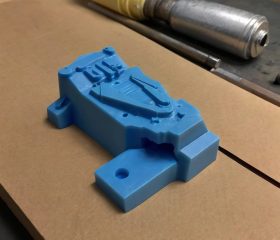
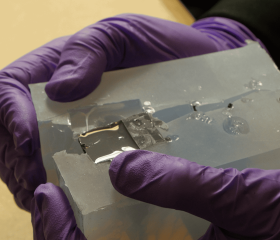
Master Pattern Creation: A master pattern of the desired part is created using methods such as 3D printing, CNC machining, or manual modeling.

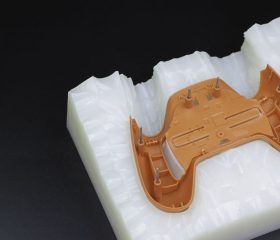
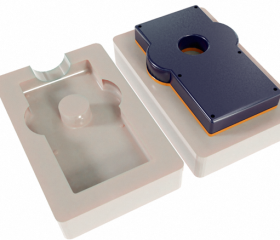
Mold Making: A silicone mold is created from the master pattern to replicate the part's shape and details.The finished dimensions of urethane cast parts depend on the accuracy of the master model, part geometry, and casting material. In general, a shrinkage rate of + 0.15% is typical.

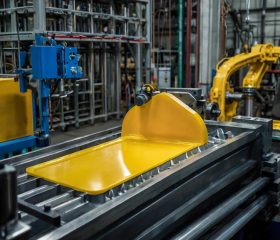
Material Mixing and Casting: Polyurethane material is mixed and poured into the mold. The material cures and hardens to form the final part.

Part Finishing: After the casting process, the parts may undergo finishing processes such as trimming, sanding, painting, or additional surface treatments.

Urethane casting services are often chosen for their cost-effectiveness, quick turnaround times, and ability to produce high-quality parts with complex geometries.If you are looking for a company that provides urethane casting services,From design to prototype and production, our team of engineers is ready to help bring your idea to life.

Applications of Urethane Casting

Urethane casting is a versatile manufacturing process that finds applications in various industries due to its ability to produce high-quality parts with complex geometries. Some common applications of urethane casting include

Prototyping: Urethane casting is widely used for rapid prototyping to quickly produce functional prototypes for testing and validation purposes before full-scale production.

Low-Volume Production: It is ideal for low-volume production runs where traditional injection molding may not be cost-effective. Urethane casting can efficiently produce small to medium quantities of parts.

Replacement Parts: Urethane casting is often used to create replacement parts for machinery, equipment, or products that are no longer in production or have long lead times for conventional manufacturing methods.

Aerospace and Defense: Urethane casting is utilized in the aerospace and defense industries to manufacture lightweight components, tooling, and fixtures for aircraft, satellites, and military applications.

Automotive: Urethane casting is employed in the automotive sector to produce prototype parts, custom components, interior trim pieces, and functional prototypes for testing.

Medical Devices: The medical industry uses urethane casting to develop prototypes and low-volume production parts for medical devices, surgical instruments, prosthetics, and ergonomic product designs.

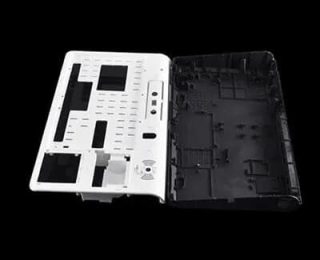
Consumer Electronics: Urethane casting is popular in the consumer electronics industry for creating custom enclosures, housings, buttons, and other components for electronic devices.

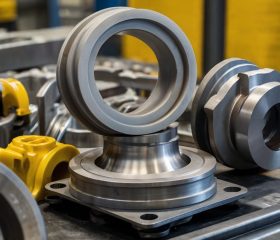
Industrial Equipment: Urethane casting is utilized in the manufacturing of industrial equipment, machinery components, seals, gaskets, and other specialized parts.

Architectural Models: Urethane casting is used to create architectural models, decorative elements, signage, and scale replicas for design presentations and visualizations.

urethane casting offers flexibility, precision, and cost-effectiveness for producing high-quality parts in a timely manner, making it a preferred choice for a wide range of applications across industries.

unmolding
Urethane_casting2
Urethane_casting1
polyurethane_casting_plastics3
Urethane_casting_1

Kemampuan Manufaktur Kami yang Lainnya

Kami mengkhususkan diri dalam pencetakan 3D, pemesinan CNC, pengecoran vakum, pencetakan injeksi, dan fabrikasi lembaran logam, serta menawarkan beragam bahan dan pilihan finishing permukaan.

06cda6ffce58327c16cb6a7f2d7c4b92

Pemesinan CNC

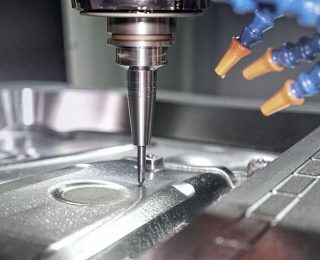
Kami memiliki pusat pemesinan komposit Mill-turn, mesin frais 3-sumbu standar, mesin frais 5-sumbu kontinu, mesin frais 3+2-sumbu, serta layanan pengeboran dan pasca-pengolahan yang menggunakan lebih dari 50 jenis logam dan plastik berbeda, tersedia dalam lebih dari 15 jenis finishing permukaan. Toleransi hingga ±0,0000394 inci (0,001 mm)
28c3d99ebbb4aa8493cbbc3f16e9ad74

Layanan Pencetakan Injeksi

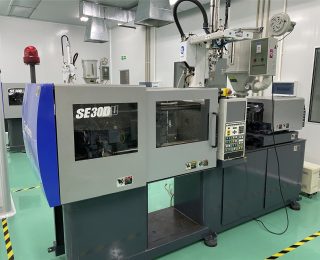
HOFeng mampu mencetak berbagai jenis termoplastik. Layanan pencetakan injeksi yang hemat biaya untuk produk dan komponen khusus Anda. Alat Prototipe Siap dalam Waktu 10 Hari, Alat Produksi Siap dalam Waktu 2 Minggu, ISO 9001:2015 | Pemeriksaan Kritis Terhadap Kualitas
07341bae-2072-450f-ba97-5762a57ef32d

Layanan Pencetakan 3D

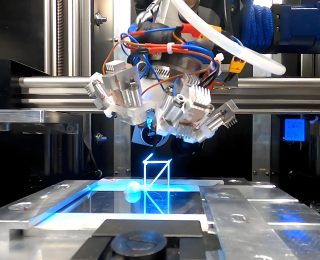
Layanan Pencetakan 3D HOFeng adalah pusat produksi manufaktur aditif Anda yang menyediakan lebih dari 30 jenis bahan untuk berbagai aplikasi. Layanan pencetakan 3D ini disediakan oleh para ahli pencetakan 3D yang siap memenuhi semua kebutuhan Anda dengan kualitas tingkat industri.
09b38c6b9be08a8e3ee0a96e1ff3ddd7

Layanan Pengecoran Uretan

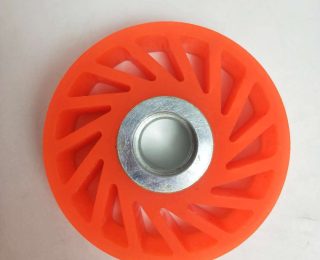
Kami menyediakan layanan pembuatan prototipe dan produksi komponen secara cepat, dengan waktu penyelesaian mulai dari 10 hari, serta pemeriksaan 100% untuk setiap komponen. Sebagai perusahaan bersertifikasi ISO 9001, kami menjamin kualitas terbaik pada setiap batch produksi. Kami adalah para ahli bahan poliuretan dalam pengembangan produk Anda.


Urethane Casting FAQs

If you have urethane casting ready to commence, we are here to assist you from start to finish. With our extensive range of optional post-processing services and rigorous quality assurance measures implemented by our dedicated QC department, you can rest assured that you will receive products that meet your expectations.

Cukup kirimkan berkas CAD 3D Anda kepada kami, dan tim kami akan memberikan penawaran harga gratis kepada Anda. Para insinyur model berpengalaman kami akan melakukan analisis kelayakan produksi (DFM) secara menyeluruh terhadap desain Anda, untuk memastikan bahwa produk akhir tidak hanya memenuhi standar kualitas Anda, tetapi juga sesuai dengan batasan anggaran Anda.

Komponen berkualitas dengan jumlah kurang dari 800 buah dapat diproduksi dalam waktu sesingkat satu minggu jika Anda menyediakan model CAD 2D dan 3D yang lengkap. Komponen yang lebih kompleks dan memerlukan fitur khusus lainnya akan membutuhkan waktu lebih lama.

Para perancang sebaiknya mempertimbangkan faktor-faktor seperti akses terhadap peralatan, pemilihan bahan, toleransi, dan hasil akhir permukaan saat merancang komponen untuk pemesinan CNC.

Lamanya proses pemesinan CNC bergantung pada faktor-faktor seperti tingkat kerumitan komponen, bahan yang digunakan, dan toleransi yang diinginkan. Lamanya proses tersebut bisa berkisar antara beberapa menit hingga beberapa jam.

Mix Urethane Rubber: Select a two-part urethane rubber material that meets your project requirements in terms of hardness, flexibility, color, and other properties. Follow the manufacturer's instructions to mix the two components in the correct ratio.


Degassing (Optional): To remove air bubbles from the urethane rubber mixture, you can use a vacuum chamber to degas the material. This step helps ensure a smooth, bubble-free casting.


Pouring: Carefully pour the mixed urethane rubber material into the mold. Be sure to pour slowly and evenly to prevent trapping air bubbles in the mixture.


Curing: Allow the urethane rubber to cure and harden according to the manufacturer's instructions. The curing time may vary depending on the specific type of urethane rubber used and environmental conditions such as temperature and humidity.


Demolding: Once the urethane rubber has fully cured, carefully remove the part from the mold. Depending on the complexity of the mold and part design, you may need to use release agents or techniques to facilitate demolding.


Post-processing (Optional): After demolding, you can trim any excess material, clean up the part, and perform any additional post-processing steps such as painting, finishing, or assembly as needed.


Testing and Quality Control: Inspect the cast urethane rubber part for defects, surface imperfections, dimensions, and overall quality. Perform any necessary testing to ensure that the part meets the required specifications and performance criteria.


By following these steps and taking proper precautions, you can successfully cast urethane rubber parts for various applications such as prototypes, industrial components, custom molds, seals, gaskets, and more.

HOFeng telah memperoleh sertifikasi ISO 9001 dan memenuhi persyaratan ISO 13485.

Mesin-mesin kami mampu mencapai toleransi yang sangat ketat, yaitu +/- 0,0002 inci.

The calculation of injection molding costs involves multiple factors, including product design, raw material costs, labor costs, equipment depreciation, etc.


Product design: Complexity, size, shape and other factors will affect the cost of injection molding. Some complex products may require special molds and processing techniques, and the cost will increase accordingly.


Raw material costs: Different types of plastic raw materials have different prices, and are also affected by factors such as market supply and demand. Raw materials account for a considerable proportion of injection molding costs.


Mold cost: Injection molding requires the use of specially customized molds. The design, manufacturing and maintenance costs of the mold will affect the cost.


Labor cost: Operating the injection molding machine and subsequent processing requires manual participation. Labor cost is a part of the injection molding cost that cannot be ignored.


Energy consumption: Injection molding machines consume a large amount of energy such as electricity and compressed air. Energy costs are also an important part of injection molding costs.

Urethane casting, also known as polyurethane casting, is a popular manufacturing process used to create high-quality, precise, and durable plastic parts and prototypes. There are several reasons why urethane casting is chosen over other manufacturing methods, such as injection molding or 3D printing:


Cost-effective: Urethane casting is a cost-effective alternative to injection molding for low-volume production runs. It does not require expensive tooling, molds, or setup costs, making it ideal for producing small quantities of parts without the high upfront investment.


Quick turnaround: Urethane casting allows for rapid prototyping and production of parts with shorter lead times compared to traditional manufacturing methods. This makes it a preferred choice for projects that require fast turnaround times.


Precision and accuracy: Urethane casting produces parts with high precision and accuracy, making it suitable for applications that require tight tolerances and intricate details. Parts can be reproduced with consistent quality and dimensional accuracy.


Wide range of materials: Urethane casting offers a variety of material options with different properties, such as flexibility, hardness, and impact resistance. This versatility allows for customization and selection of the most appropriate material for specific project requirements.


Surface finishes: Urethane casting can achieve a wide range of surface finishes, including matte, frosted, glossy, or textured finishes. This allows for customization of the appearance and feel of the parts, enhancing their aesthetic appeal.


Complex geometries: Urethane casting can produce parts with complex geometries, undercuts, thin walls, and intricate features that may be challenging to manufacture using other methods. This versatility makes it suitable for a wide range of applications across various industries.


Low-volume production: Urethane casting is well-suited for low-volume production runs, prototype testing, and bridge production between design iterations. It offers flexibility in scaling production quantities based on demand without the need for large minimum order quantities.


Overall, urethane casting is a versatile, cost-effective, and efficient manufacturing process that offers numerous advantages for creating plastic parts and prototypes with high quality, precision, and customization options. It is widely used in industries such as automotive, aerospace, medical devices, consumer electronics, and more for producing functional prototypes, end-use parts, and components.

 
Gulir ke Atas