




بصفتي مهندسًا ميكانيكيًا أمضيت سنوات في مساعدة العملاء على اختيار وتخصيص العلب للمشاريع الصناعية، غالبًا ما يُطرح عليّ سؤال حول صناديق التوزيع. وسواء كان ذلك لتوزيع الطاقة أو أنظمة التحكم أو التركيبات الخارجية، فإن اختيار صندوق التوزيع المناسب يمكن أن يُحدث فرقًا كبيرًا في الموثوقية والسلامة والأداء على المدى الطويل.
إذا كنت تبحث عن مصطلحات مثل “صندوق توزيع الطاقة” أو “صندوق التوزيع الكهربائي” أو “صندوق التوزيع”، فستقدم لك هذه المقالة معلومات واضحة ومُختبرة عمليًّا.
ما هو صندوق التوزيع?
A صندوق التوزيع (ويُعرف أيضًا باسم «صندوق قاعدة البيانات» أو «صندوق التوصيل» أو «حاوية التوزيع الكهربائي») هو غلاف واقي يعمل على توزيع الطاقة الكهربائية أو الإشارات بأمان من مصدر رئيسي واحد إلى دوائر أو أجهزة متعددة.
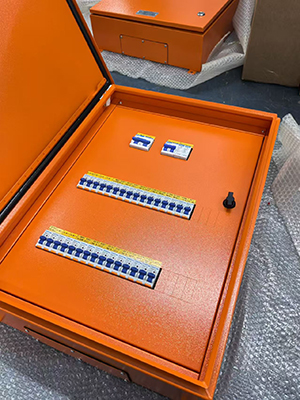
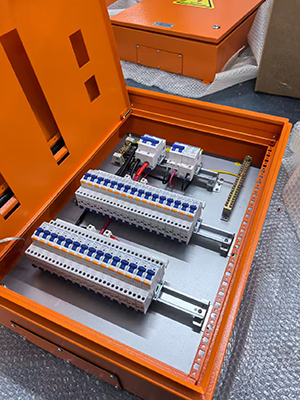
وعادةً ما تحتوي على قواطع كهربائية، وصمامات، وكتل طرفية، وقضبان توزيع، ووصلات أسلاك، مع توفير الحماية للمكونات الداخلية من الغبار والرطوبة والتلف الميكانيكي والوصول غير المصرح به.
في البيئات الصناعية، تُعد صناديق التوزيع ضرورية من أجل:
- خطوط الأتمتة الصناعية
- توزيع الطاقة في الأماكن المفتوحة
- أنظمة الطاقة المتجددة (الطاقة الشمسية، طاقة الرياح)
- مواقع البناء ومنشآت الطاقة المؤقتة
- أنظمة التدفئة والتهوية وتكييف الهواء (HVAC) وأنظمة التحكم في المضخات
الاعتبارات الرئيسية عند اختيار صندوق التوزيع
فيما يتعلق بتجربة المشروع الفعلي، إليك أهم العوامل التي يجب على المهندسين تقييمها:
1. اختيار المواد
- الفولاذ المقاوم للصدأ (304 أو 316): الأفضل للاستخدام في البيئات المسببة للتآكل أو الساحلية. تتميز بمتانة فائقة ومقاومة طبيعية للتآكل.
- الألومنيوم: خفيف الوزن، يتمتع بموصلية حرارية جيدة، ومثالي لتبديد الحرارة في الأجهزة الإلكترونية.
- فولاذ مطلي بالمسحوق: مناسب من حيث التكلفة للاستخدام الداخلي أو في الأماكن الخارجية ذات الظروف المناخية المعتدلة.
- البولي كربونات أو البلاستيك ABS: خيارات غير معدنية للتطبيقات التي تتطلب عزلًا عاليًا ومقاومة للتآكل.
2. تصنيف الحماية ابحث عن ما لا يقل عن IP65 أو IP66 للاستخدام في الأماكن المفتوحة والبيئات المتربة. أما في الظروف الأكثر قسوة، فإن صناديق التوزيع المصنفة وفقًا لمعيار IP67 أو NEMA 4X توفر أداءً أفضل من حيث مقاومة الغبار ومقاومة الماء.
3. الحجم والتكوين اختر صندوقًا يتوفر فيه مساحة داخلية كافية لتوصيل الأسلاك بشكل سليم، وتبديد الحرارة، والتوسع المستقبلي. فالاكتظاظ هو أحد الأسباب الأكثر شيوعًا لارتفاع درجة الحرارة والأعطال التي ألاحظها في الميدان.
4. خيارات التركيب سواء كان مثبتًا على الحائط أو قائمًا على الأرض أو مثبتًا على عمود — تأكد من أن التصميم يتناسب مع بيئة التركيب لديك.
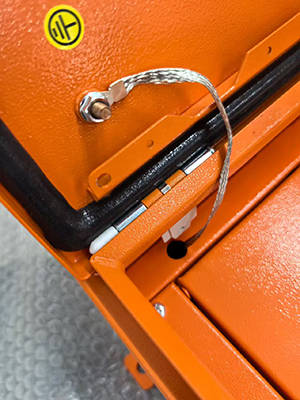
5. ميزات السلامة يجب أن تتضمن صناديق التوزيع عالية الجودة تأريضًا مناسبًا، وآليات قفل آمنة، وملصقات واضحة.
التطبيقات الشائعة التي ندعمها
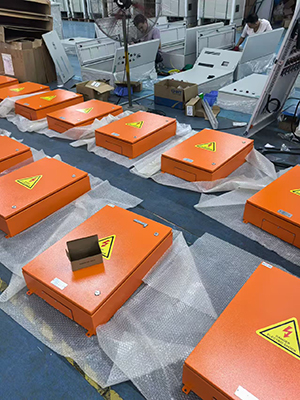
في شركة Hofengfab، نقوم بانتظام بتصنيع وتخصيص صناديق التوزيع من أجل:
- أنظمة توزيع الطاقة الصناعية
- التحكم الكهربائي في الأماكن الخارجية
- معدات الطاقة الجديدة (صناديق تجميع الطاقة الشمسية، أنظمة تخزين الطاقة بالبطاريات)
- أغلفة الآلات والمعدات
- حلول الطاقة المؤقتة لمواقع البناء
أحد الطلبات المتكررة هو الحصول على نظام قوي صناديق توزيع الطاقة التي يمكنها تحمل الأحمال الثقيلة مع سهولة تركيبها وصيانتها.
نصائح عملية من الميدان
- مدخل الكابلات: احرص دائمًا على توفير فتحات مناسبة أو فتحات جاهزة للتركيب. يُعد سوء عزل الكابلات أحد الأسباب الرئيسية لفشل تصنيف IP.
- إدارة الحرارة: في التطبيقات التي تتطلب تيارًا عاليًا، يجب مراعاة توفير تهوية أو استخدام حاويات أكبر حجمًا لمنع ارتفاع درجة حرارة المكونات.
- إمكانية الوصول: اختر الطرز المزودة بأغطية أو أبواب يسهل إزالتها من أجل الصيانة الدورية.
- التخصيص: تُعد الأحجام القياسية مناسبة للمشاريع البسيطة، لكن معظم التطبيقات الصناعية تستفيد من الفتحات المخصصة، أو أطراف التوصيل المُركَّبة مسبقًا، أو الطلاءات الخاصة.
الخلاصة
مصمم بشكل جيد صندوق التوزيع الكهربائي إنها أكثر من مجرد حاوية معدنية أو بلاستيكية — فهي جزء أساسي من نظام طاقة آمن وفعال. إن اختيار المادة المناسبة ومستوى الحماية والتكوين المناسب بناءً على ظروف العمل الفعلية الخاصة بك سيوفر عليك الوقت، ويقلل من تكاليف الصيانة، ويمنع التوقف غير المتوقع عن العمل.
إذا كنت تبحث حاليًا عن حل موثوق لصناديق التوزيع — سواء كانت قياسية أو مخصصة بالكامل — فلا تتردد في التواصل معنا. نحن متخصصون في النماذج الأولية السريعة وإنتاج الدفعات الصغيرة من العلب الصناعية عالية الجودة، بما في ذلك أنواع مختلفة من صناديق التوزيع.
هل تحتاج إلى عرض أسعار أو مشورة فنية؟ اتصل بفريقنا الهندسي اليوم. نحن نرد بسرعة ويمكننا تقديم توصيات مخصصة بناءً على متطلبات مشروعك المحددة.
👉 اتصل بنا والآن لنناقش متطلباتك المتعلقة بعلبة البطارية