




Although the exact process depends on the cutting method, a typical sheet metal cutting workflow includes the following steps.
Step 1: Review the Drawing
Confirm the dimensions, material, thickness, tolerances and quantity. Check whether the part will require bending, welding, coating or assembly after cutting.
Step 2: Select the Cutting Method
Choose the cutting process according to the shape and quality requirements.
Simple straight cuts may be completed by shearing, while detailed profiles may be better suited to laser cutting.
Step 3: Prepare the Material
Inspect the sheet for damage, deformation, rust or surface defects. Make sure the material specification matches the drawing.
Step 4: Mark or Program the Cutting Path
Manual cutting usually requires clear measurement and marking. CNC cutting requires a digital drawing and programmed cutting path.
Step 5: Secure the Sheet
The sheet should remain stable during cutting. Proper support and positioning help prevent movement, vibration and dimensional errors.
Step 6: Complete the Cutting Process
Use the correct blade, cutting speed, machine settings or CNC program for the selected material.
Step 7: Inspect and Deburr the Part
After cutting, inspect the dimensions, hole positions, edge condition and overall shape. Remove sharp edges, slag or burrs when necessary.
Safety Tips for Cutting Sheet Metal
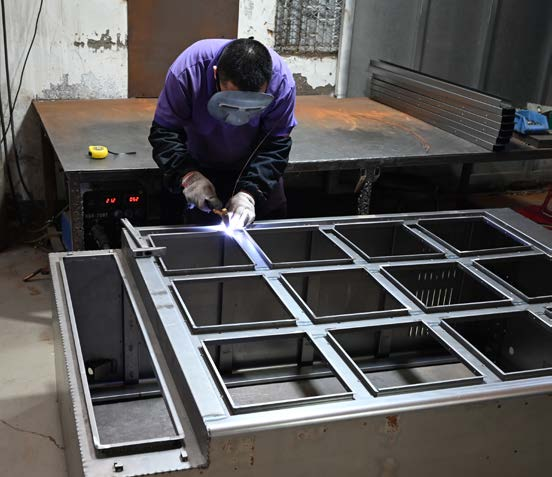
Sheet metal edges can be extremely sharp. Cutting may also produce sparks, metal fragments, noise, heat and dust.
Basic safety precautions include:
- Wearing cut-resistant gloves
- Using safety glasses or a face shield
- Wearing hearing protection when necessary
- Securing the material before cutting
- Keeping hands away from blades and cutting paths
- Removing combustible materials from the work area
- Following equipment operating instructions
- Deburring sharp edges after cutting
Professional machines should only be operated by trained personnel.
How Haofeng Solves Sheet Metal Cutting Requirements
Manual tools can be suitable for basic projects, but custom industrial parts usually require better accuracy, consistency and production efficiency.
Haofeng provides sheet metal processing solutions based on customers’ drawings, material specifications, quantities and application requirements.
Drawing and Requirement Review
Before production, Haofeng reviews important project information such as:
- Part dimensions
- Material type
- Sheet thickness
- Tolerance requirements
- Hole and slot positions
- Surface requirements
- Production quantity
- Subsequent bending, welding or assembly needs
Reviewing these details in advance helps identify potential manufacturing problems and reduces unnecessary revisions.
Suitable Cutting-Process Selection
Not every sheet metal part should be produced using the same cutting method.
Haofeng selects a suitable process according to the component structure, material, tolerance and production volume. Straight panels may be processed differently from parts containing complex contours, detailed openings or repeated holes.
This process-based approach helps balance cutting quality, production time and project cost.
Precision Cutting
For customized parts, accurate cutting is important because cutting errors can affect later bending, welding and assembly.
Haofeng works according to customer drawings and controls important dimensions, profiles, holes and mounting features during production. This helps improve part consistency and fit.
Support for Further Processing
Cutting is often only the first step in a sheet metal fabrication project.
After cutting, components may require:
- Bending
- Punching
- Drilling
- Tapping
- Welding
- Grinding
- Surface finishing
- Assembly
By considering subsequent processes during the cutting stage, Haofeng helps customers achieve a more efficient manufacturing workflow.
Quality Inspection
Finished components can be checked according to drawing requirements. Inspection may include dimensions, hole positions, profiles, edge condition and surface appearance.
Quality control helps reduce problems during assembly and supports consistent repeat orders.
About Haofeng
Haofeng focuses on customized sheet metal fabrication and metal component processing. We work with customers to turn drawings and design requirements into practical, manufacturable parts.
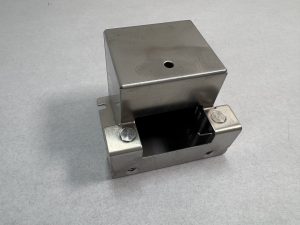
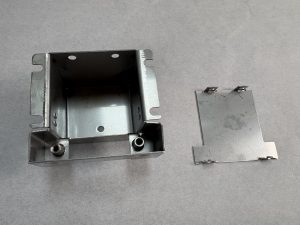
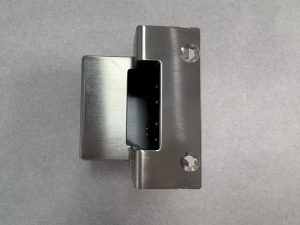
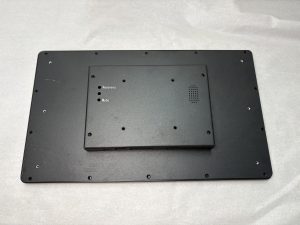
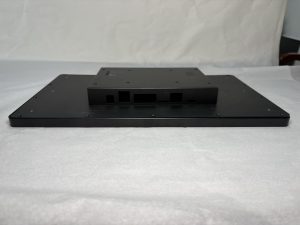
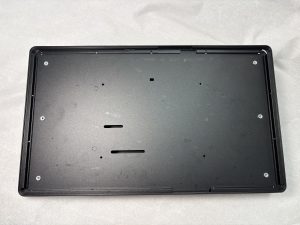
Our services can support a variety of applications, including metal enclosures, equipment panels, cabinets, brackets, covers, frames and other customized sheet metal components.
From material selection and cutting-process planning to fabrication and inspection, Haofeng aims to provide reliable solutions based on the specific needs of each project.
Contact Haofeng for Sheet Metal Cutting
Understanding how to cut sheet metal starts with selecting the right tool and process. Hand tools may be enough for simple projects, but precision components and repeat production usually require professional equipment and experienced manufacturing support.
If you need custom sheet metal cutting or complete sheet metal fabrication services, contact Haofeng and send us your drawings or project requirements.
The Haofeng team will review your requirements and help you develop a suitable sheet metal manufacturing solution.